

Understanding the Differences Between Interior vs Exterior Paint
- Fritz anderson
- 2 days ago
- 3 min read
When it comes to painting your home or business, choosing the right paint is crucial. You might think paint is just paint, but that’s not true. Interior and exterior paints are made for very different jobs. Knowing the difference between interior and exterior paint can save you time, money, and frustration. Let’s dive into what sets these two types apart and why it matters.
What Makes Interior vs Exterior Paint Different?
Interior and exterior paints are designed to handle different environments. Interior paint is made for indoor spaces where conditions are controlled. Exterior paint faces the harsh outdoors - sun, rain, wind, and temperature swings. Because of this, their formulas vary a lot.
Interior paint focuses on durability against scrubbing, stains, and moisture from everyday living. It also emphasizes low odor and easy cleanup.
Exterior paint is tougher. It resists fading, cracking, peeling, and mildew caused by weather exposure.
The ingredients in each type reflect these needs. Exterior paints contain more binders and additives to protect against UV rays and moisture. Interior paints prioritize smooth finishes and low VOCs (volatile organic compounds) for healthier indoor air.

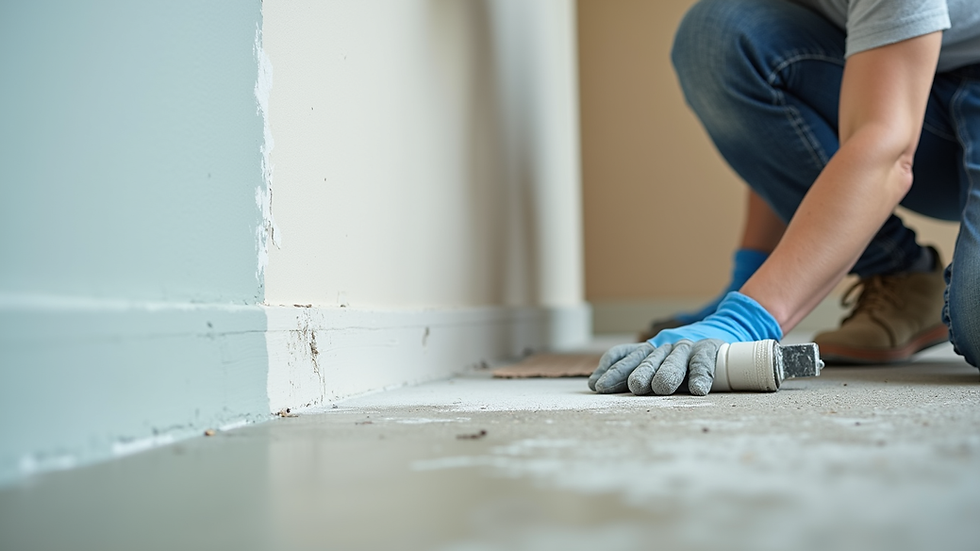
Interior paint is designed for smooth finishes and easy cleaning inside your home.
Is there really a difference between interior and exterior paint?
You might wonder if you can just use one type for both inside and outside. The short answer is no. Using exterior paint indoors or interior paint outdoors can cause problems.
Using exterior paint inside can lead to strong odors and chemicals that aren’t safe for indoor air quality. It may also dry too slowly or unevenly.
Using interior paint outside means the paint won’t hold up. It can fade, peel, or crack quickly because it lacks the protective ingredients needed for outdoor conditions.
So yes, there really is a difference between interior and exterior paint. Each is made for its specific environment to perform best and last longer.

Exterior paint is formulated to withstand sun, rain, and temperature changes.
Key Features of Interior Paint
Let’s look closer at what makes interior paint special:
Low VOCs and low odor: This keeps your indoor air safe and comfortable.
Washability: Interior paint is made to resist stains and allow easy cleaning with a damp cloth.
Smooth finish: It often has a softer sheen like eggshell, satin, or semi-gloss to enhance room aesthetics.
Color retention: Interior paint holds color well but doesn’t need to resist UV rays as much.
For example, in a kitchen or bathroom, you want paint that can handle moisture and cleaning without peeling. Interior paint formulas include mildewcides to prevent mold growth in these damp areas.
Key Features of Exterior Paint
Exterior paint has a different set of priorities:
UV resistance: Protects against sun damage and fading.
Waterproofing: Prevents water from seeping into walls and causing damage.
Flexibility: Allows the paint to expand and contract with temperature changes without cracking.
Mildew resistance: Stops mold and mildew growth on exterior surfaces.
If you live in South Florida, where the sun is strong and humidity is high, exterior paint must be especially tough. It needs to protect your home from intense heat, heavy rain, and salty air.
Tips for Choosing the Right Paint for Your Project
Here are some practical tips to help you pick the right paint:
Always use interior paint indoors and exterior paint outdoors. This ensures durability and safety.
Consider the surface material. Wood, stucco, metal, and drywall all need different paint types or primers.
Pick the right finish. For interiors, satin or semi-gloss works well in kitchens and bathrooms. For exteriors, flat or satin finishes hide imperfections and resist weather.
Check for mildew resistance. Especially important in humid climates like South Florida.
Use quality paint. It might cost more upfront but saves money on repairs and repainting later.
How to Prepare Surfaces for Painting
Preparation is key to a long-lasting paint job. Here’s what I recommend:
Clean the surface thoroughly. Remove dirt, grease, and mildew.
Repair any damage. Fill holes, cracks, and sand rough spots.
Prime if needed. Some surfaces require a primer to help paint stick better.
Choose the right tools. Brushes, rollers, and sprayers vary depending on the paint and surface.
Proper prep helps both interior and exterior paint perform their best.
Final Thoughts on Interior vs Exterior Paint
Choosing the right paint is more than just picking a color. It’s about matching the paint to the environment and surface. The difference between interior and exterior paint is real and important. Using the right paint protects your investment and keeps your space looking great for years.
If you want your home or business to shine with a fresh, durable finish, start with the right paint. It’s a simple step that makes a big difference!
Thanks for reading! I hope this helps you understand why interior and exterior paints are not interchangeable. Happy painting!




Comments