

How to Repair Water Damaged Drywall: A Step-by-Step Guide
Water damage in drywall is a common problem that can cause headaches for any homeowner or business owner. Whether it’s from a leaky pipe, a roof leak, or flooding, water can weaken drywall, cause unsightly stains, and even lead to mold growth. But don’t worry! Fixing water damaged drywall is something you can tackle with the right tools and know-how. I’m here to walk you through the process with clear, simple steps.
Understanding How to Repair Water Damaged Drywall
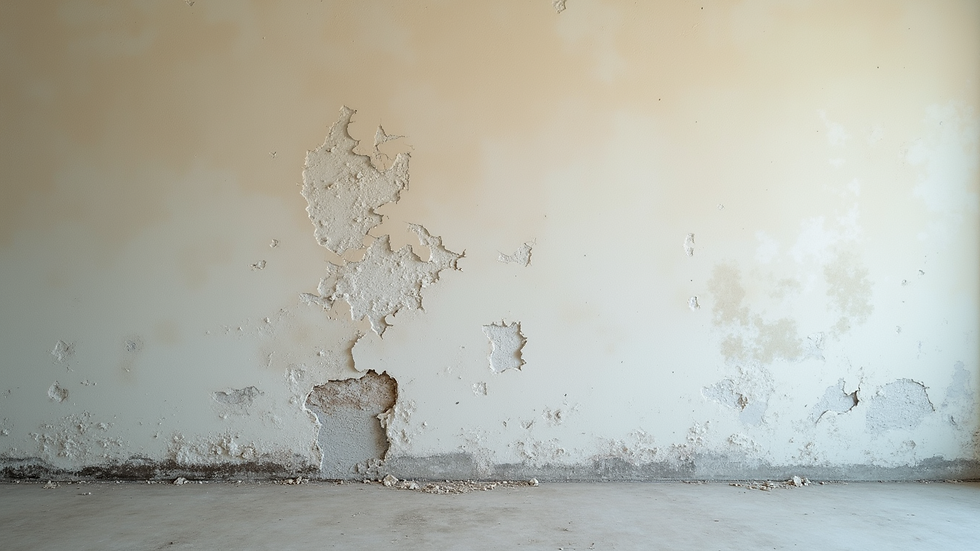
When drywall gets wet, it loses its strength and can crumble or sag. The first step is to assess the damage. Look for:
Soft spots or bulges
Discoloration or stains
Peeling paint or wallpaper
Musty odors (a sign of mold)
If the drywall is only slightly damp, you might be able to dry it out and save it. But if it’s soft or crumbling, you’ll need to replace the damaged sections.
Here’s what you’ll need for the repair:
Utility knife or drywall saw
Replacement drywall sheets
Joint compound (spackle)
Drywall tape
Sandpaper
Primer and paint
Protective gear (gloves, mask)
Before you start, make sure the source of the water is fixed. Otherwise, the problem will come back.
Step-by-Step Guide to Repair Water Damaged Drywall
Let’s get hands-on! Follow these steps to repair your drywall like a pro:
Remove the damaged drywall
Use a utility knife or drywall saw to cut out the wet or damaged section. Cut a square or rectangle around the damaged area for easier patching.
Dry the area thoroughly
Use fans and dehumidifiers to dry the wall cavity. This step is crucial to prevent mold growth.
Inspect for mold
If you see mold, clean it with a mixture of water and bleach (1 part bleach to 3 parts water). Wear protective gear and ventilate the area well.
Cut and install new drywall
Measure the hole and cut a new drywall piece to fit. Screw it into the wall studs.
Tape and mud the seams
Apply drywall tape over the seams. Then, spread joint compound over the tape with a putty knife. Let it dry, then sand smooth.
Prime and paint
Apply a primer to seal the new drywall. Once dry, paint to match the rest of the wall.
This process restores your wall’s strength and appearance. It’s a great way to handle minor to moderate water damage.
Can Drywall and Spackle Dry Out After a Water Leak on Them?
Great question! Yes, drywall and spackle can dry out after a water leak, but it depends on the extent of the damage.
Drywall: If the drywall is only damp and not soft or crumbling, it can dry out. Use fans and dehumidifiers to speed up the process. However, if it feels soft or swollen, it’s best to replace it.
Spackle: Spackle can dry out if it gets wet, but it may crack or lose adhesion. If you notice cracks or peeling, remove the damaged spackle and reapply fresh compound.
Remember, drying out is only part of the solution. You must ensure the area is completely dry before sealing and painting. Otherwise, moisture trapped inside can cause mold and further damage.

Tips to Prevent Future Water Damage in Drywall
Prevention is better than repair! Here are some tips to keep your drywall safe from water damage:
Fix leaks promptly: Check pipes, roofs, and windows regularly for leaks.
Improve ventilation: Use exhaust fans in bathrooms and kitchens to reduce humidity.
Use water-resistant drywall: In areas prone to moisture, consider moisture-resistant drywall.
Seal gaps and cracks: Use caulk around windows, doors, and baseboards.
Monitor humidity levels: Keep indoor humidity between 30-50% to prevent condensation.
Taking these steps can save you time and money down the road.
When to Call a Professional for Water Damage Drywall Repair
Sometimes, water damage is too extensive to handle on your own. If you notice:
Large areas of damaged drywall
Persistent mold growth
Structural damage to walls or ceilings
Electrical issues caused by water
It’s time to call in the experts. Professionals have the tools and experience to handle complex repairs safely and effectively.
If you want reliable help, consider contacting a trusted local service specializing in water damage drywall repair. They can assess the damage, provide a detailed plan, and restore your walls to perfect condition.
Ready to Restore Your Walls?
Fixing water damaged drywall doesn’t have to be overwhelming. With the right approach, you can bring your walls back to life. Remember to act quickly, dry the area thoroughly, and follow the repair steps carefully. And if the damage is too big, don’t hesitate to get professional help.
Your walls will look great again, and you’ll feel confident knowing your home or business is protected from future water damage. Let’s get started on that repair today!


Comments